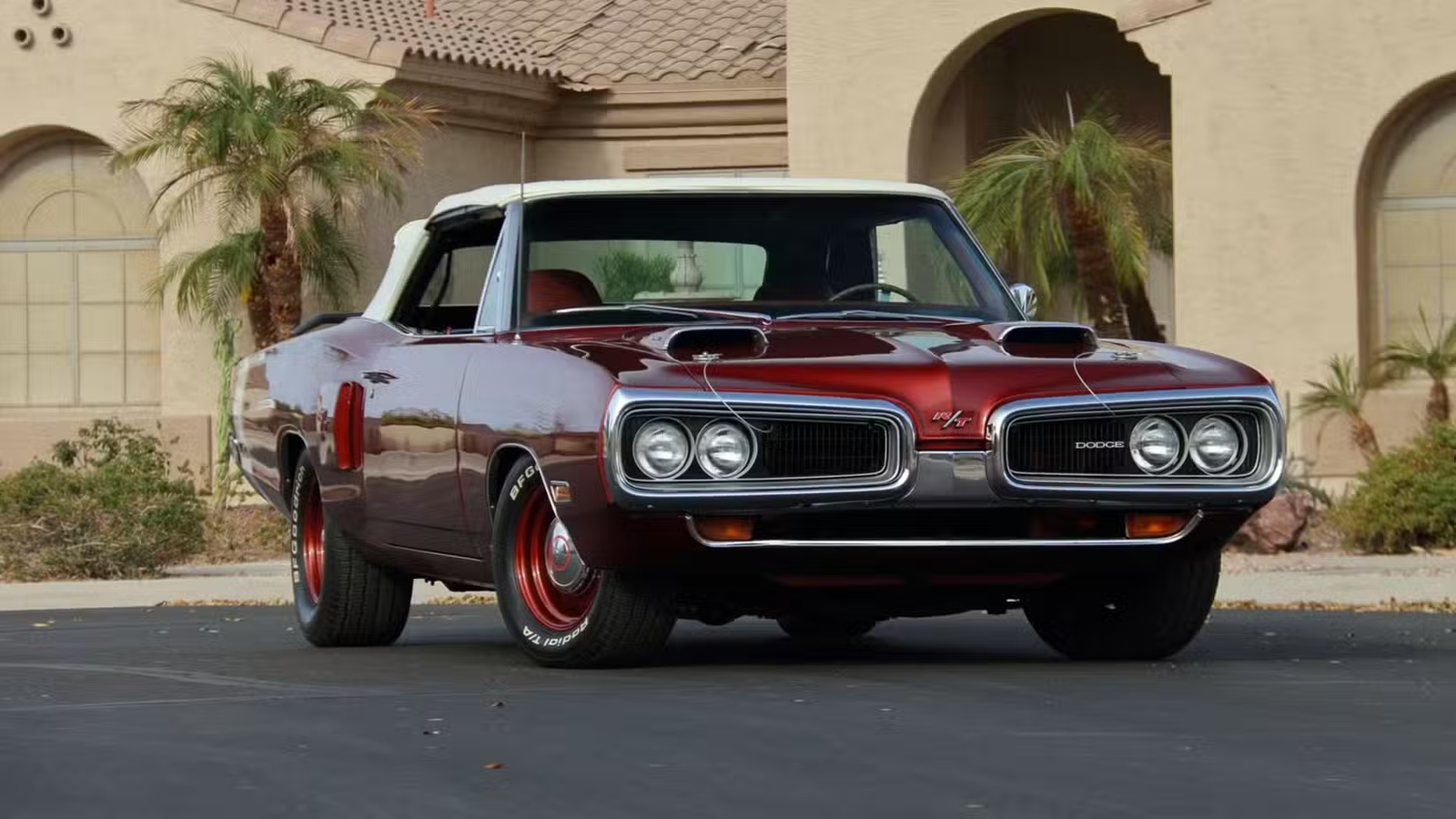
Exclusive Mopar: Dodge Made Only Two 1970 Coronet R/T Hemi Convertibles
Some cars earn legendary status because people raced them, tuned them or plastered their posters on garage walls. Others reach the same mythical place for a completely different reason. They’re so rare that even lifelong Dodge fans start wondering if they ever existed in the first place. The muscle era was packed with big ideas and bigger engines, but a select few cars were built in numbers so tiny that most gearheads never even had a chance to spot one in the wild.
Among the sea of big block machines from Detroit’s glory years, Dodge quietly created one of the smallest production runs in muscle car history. It came from a lineup that already had its fair share of performance icons. It was loud, powerful and unmistakably Mopar, but it also carried a strange kind of irony. Dodge intended it to be a standout, but the world barely noticed it at the time. Today, that low profile is exactly what turned it into an ultra-rare collector piece with a valuation that keeps climbing.
The 1970 Dodge Coronet R/T Hemi Convertible Was Limited To Just Two Units
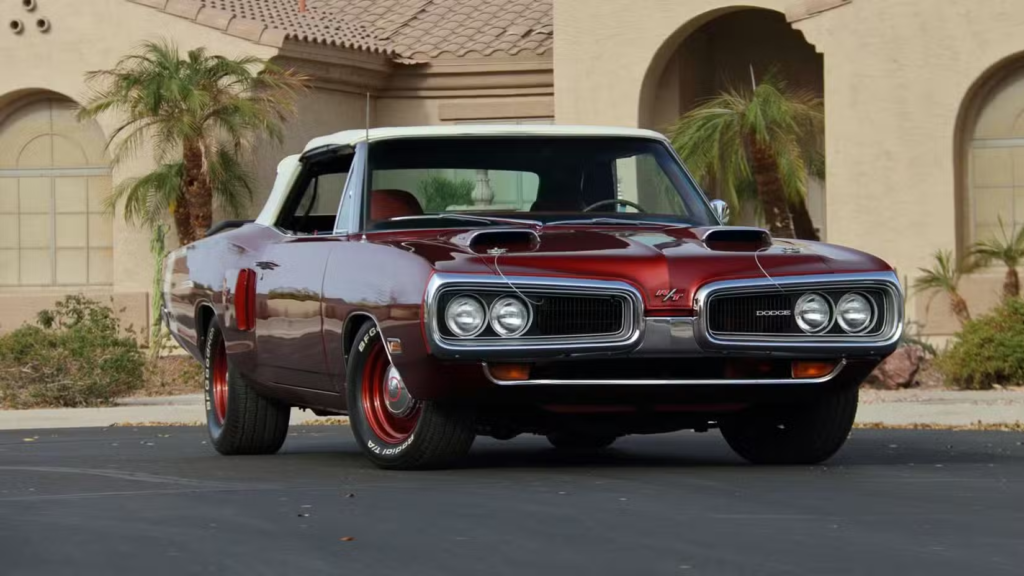
Dodge was already deep into the horsepower wars by 1970, so the Coronet lineup had plenty of big engines and out-there styling. The R/T trim brought the serious hardware with high-compression V8s and a look that wasn’t shy about its intentions. But when Dodge decided to pair the R/T’s performance with the legendary 426 Hemi and wrap it all in a convertible body, the result was one of the rarest builds the brand ever created. Only two examples of the Coronet R/T Hemi Convertible left the factory, and both of them became instant unicorns in Dodge history.
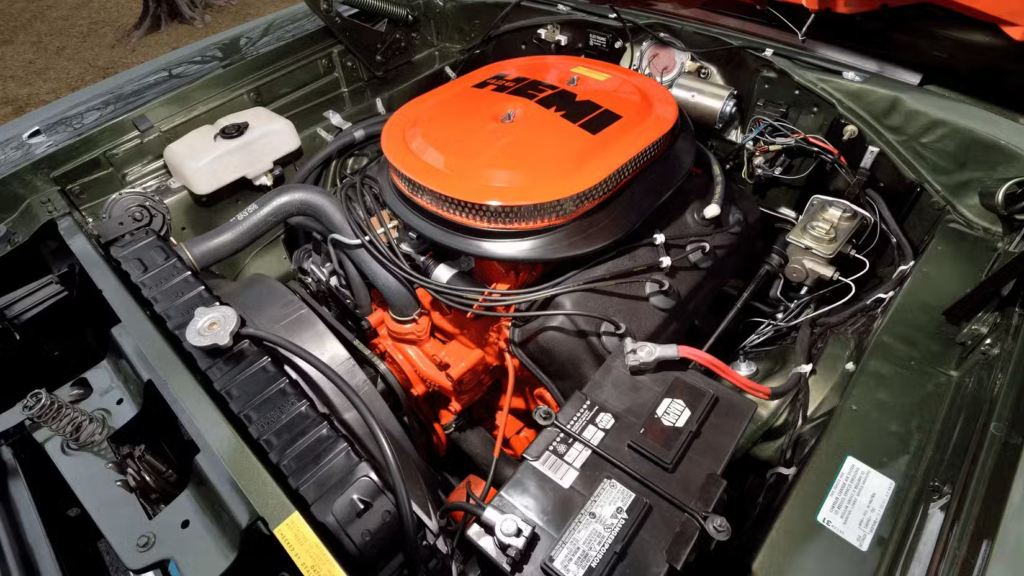
The 426 Hemi was already expensive to build and even more expensive for customers to option. It added serious power and a race-bred personality that almost nobody needed on the street. Dodge still offered it to make a statement, but the company never expected volume. For the Coronet R/T Convertible, the Hemi was a niche on a niche, which is exactly why the final production figure stopped at two.
Specs
| Engine | 426 Hemi V8 |
| Power | 425 hp |
| Torque | 490 lb-ft |
| Transmission | 4-speed manual/3-speed automatic |
Performance was exactly what you’d expect from a Hemi-powered Dodge. The 426 cubic inch engine was rated at 425 horsepower and 490 lb-ft of torque, figures that were always underrated in period. Period testing on similar Hemi machines shows quarter-mile times dipping into the mid-13-second range with proper tuning. A Coronet R/T Hemi Convertible could easily deliver that same punch, even though it packed a bit more weight due to the roof mechanism. It was still a proper Mopar brute with the kind of shove that defined the brand.
Crazy Valuations
Valuations for this Dodge rarity are all over the map, mostly because examples almost never change hands. Hagerty’s valuation trends show Coronet R/T prices comfortably in the six-figure territory, but Hemi convertibles sit in an entirely different league. Hagerty places the estimated value at around 1.3 million dollars for one in top condition. That number isn’t surprising when you remember that Dodge only built two. Put simply, owning one is about as close as it gets to holding a golden ticket from the muscle era.
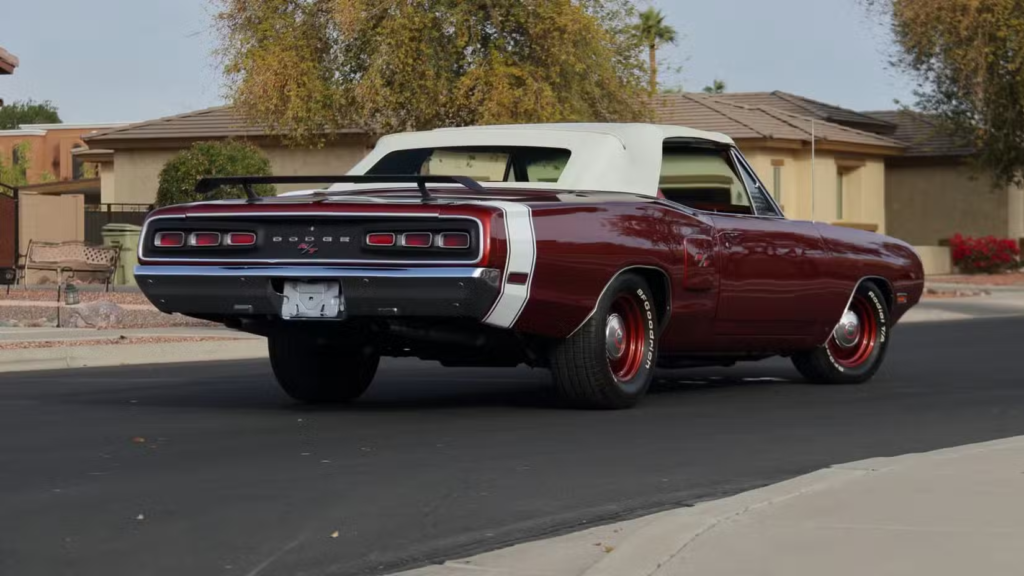
The styling alone helps cement its legend. The 1970 Coronet featured the split grille that made the face look like a pair of jet intakes. Add the R/T badges, the performance hood treatment and the rumble of a Hemi at idle and the car had presence that no one could mistake. Dodge was never shy with its design language in this era, and the Coronet R/T Hemi Convertible shows exactly how wild the brand could get while still appealing to traditional buyers who wanted real muscle performance.
Why Dodge Only Built Two: Price, Timing And A Shift In Buyer Tastes
The biggest reason Dodge pulled the plug on this configuration after only two units was simple economics. Dropping a 426 Hemi into a convertible meant adding thousands of dollars on top of an already expensive model. Buyers gravitated toward cheaper big block options like the 440 Magnum, which reportedly had strong performance at a lower cost. For most Dodge buyers, the Hemi tax wasn’t worth it unless they were chasing bragging rights.
Insurance costs were also rising quickly at the time, especially for high-output engines. A Hemi convertible was a red flag to agencies that were already worried about soaring accident rates among younger drivers. Anyone bold enough to walk into a Dodge dealership in 1970 and check every performance box knew the monthly bill would hit hard. The result was fewer customers stepping into the top tier of the Coronet range.
Then there was the bigger shift happening across the American market. Interest in convertibles was cooling down by 1970, while hardtops and coupes grabbed most of the attention. Even Dodge fans were leaning toward the Charger and the Challenger, two nameplates that completely dominated the brand’s performance image. The Coronet found itself squeezed between more glamorous models and changing customer tastes, so the convertible version struggled to get traction.
The Hemi’s reputation didn’t help either. While the engine was legendary, it was also loud, temperamental and overbuilt for simple cruising. Many Dodge owners opted for the smoother and more user-friendly 440. The 426 was really for the hardcore crowd that wanted to go fast and didn’t care about refinement. Mixing that attitude with a convertible body turned into a tough sell, and Dodge quietly let the configuration fade away after the two were completed.
How The 1970 Coronet R/T Hemi Convertible Became A Million Dollar Dodge
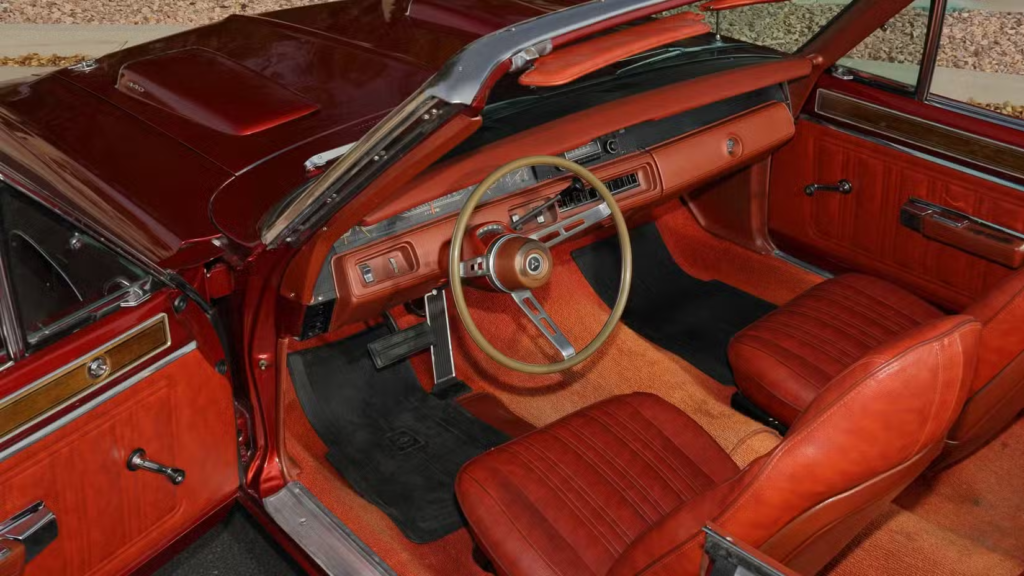
Like many ultra-rare muscle cars, the Coronet R/T Hemi Convertible didn’t become a sensation until decades later. In period, most Dodge enthusiasts were distracted by the splashy new Challenger and the ongoing success of the Charger. The Coronet line didn’t generate the same kind of poster car excitement. But as time passed, collectors began chasing the stuff that slipped under the radar. Once people realised Dodge only built two examples, the Coronet Hemi Convertible immediately jumped into the top tier of the Mopar hierarchy.
Survivors from such tiny runs often end up in museums or locked collections, and the Coronet Hemi Convertible is no exception. Cars like this don’t appear in public auctions very often, and when they do, the crowd pays attention. The last major restoration featured in the muscle car world showcased how complicated and costly it is to bring one of these Dodges back to factory-correct condition. Every piece of documentation matters, and every part needs to match. That kind of attention to detail only adds value.
Purity Of The Build
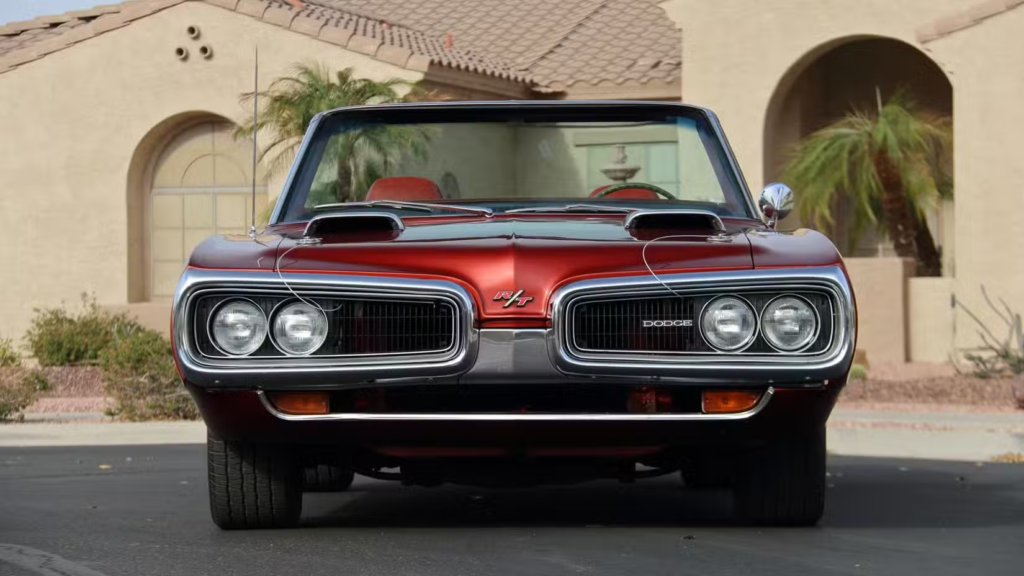
Collectors also appreciate the honesty of the build. It’s a big convertible with a giant Hemi under the hood and a straightforward mission. Dodge knew its formula at the time and didn’t try to reinvent anything. Muscle car buyers today want authenticity and historical importance, and this car delivers both. Even though it wasn’t a sales hit in 1970 (far from it, clearly), the fact that Dodge pushed ahead with such an insane configuration makes it even more interesting to modern enthusiasts.
The million-dollar valuation reflects both rarity and desirability. Dodge has a long history of creating iconic engines and performance packages, and the Coronet R/T Hemi Convertible stands right next to the 1971 Hemi Cuda Convertible and Charger Daytona as one of the brand’s most exclusive creations. With only two examples out there, the market knows exactly how high the ceiling can get. Anyone lucky enough to own one is essentially holding a museum-grade piece of Dodge muscle history.
The ’66 Coronet Hemi 4-Door Sedan Was Also Built In Tiny Numbers
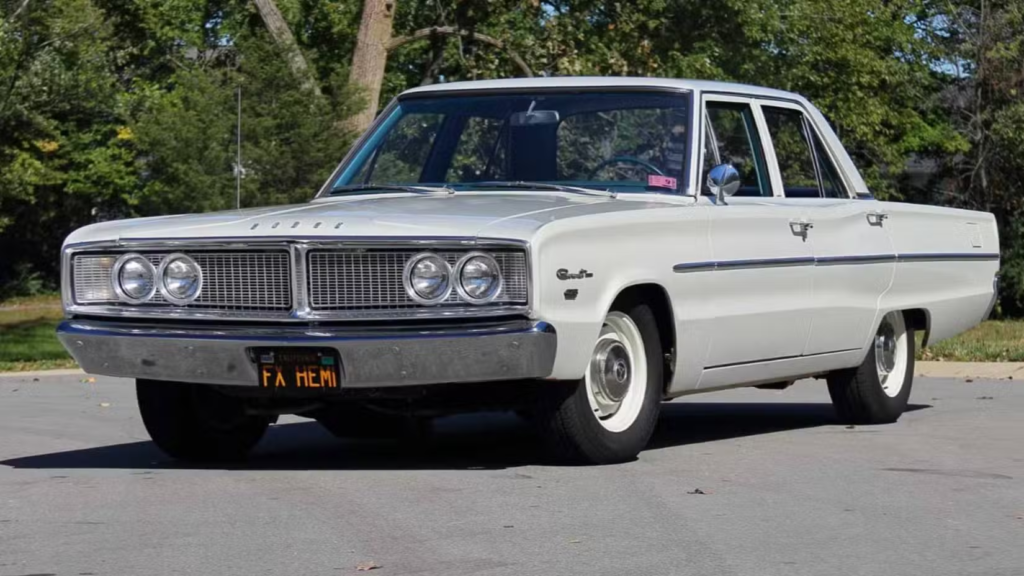
While the 1970 Dodge Coronet R/T Hemi Convertible takes the crown as the rarest Coronet ever made, there’s one other oddball Dodge worth mentioning. In 1966, Dodge produced a Hemi-powered Coronet 4-door sedan, and only two of those were completed as well. The idea of a fire-breathing 426 Hemi inside a family sedan sounds like something dreamed up at a drag strip, but Dodge really did it.
These early Hemi Coronets were typically ordered by racers or insiders who knew exactly what Dodge was capable of. They looked unassuming on the outside, especially compared to the high-profile cars Dodge built later, but they delivered the same raw performance people expected from the mighty 426. The 1966 Hemi sedan might not have the flash of the 1970 convertible, but it earns respect for being one of the strangest muscle-era combinations Dodge ever approved.
This article was originally published by Raunak Ajinkya/Hotcars